

Anal itching, also known as pruritus ani, is an irritating and uncomfortable condition that causes persistent itching around the anal region. Although usually not serious, it can significantly affect daily activities, sleep, and mental comfort. Many people hesitate to talk about anal itching due to embarrassment, but it is extremely common and often treatable with proper diagnosis and care.
This article explains the causes, symptoms, signs, and best treatment options for anal itching, along with popular creams available in India.
🔍 Understanding Anal Itching
Anal itching occurs when the skin around the anus becomes irritated, inflamed, or overly sensitive. This irritation can be triggered by infections, skin conditions, hygiene problems, diet, or bowel habits. Scratching may give quick relief but worsens inflammation, making the condition chronic.
Anal itching affects all age groups and is seen in both men and women, though it is slightly more common in males.
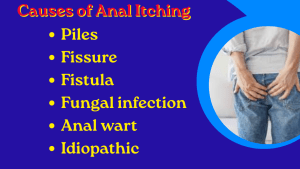
🩺 Major Causes of Anal Itching
Below are the most frequent reasons behind persistent anal itching:
⭐ 1. Poor or Excess Hygiene
- Using harsh soaps or perfumed wipes
- Not cleaning properly after bowel movements
- Excess moisture due to sweating
Both inadequate cleaning and over-cleaning can irritate the skin.
⭐ 2. Infections (Fungal, Bacterial & Parasitic)
- Fungal infections (like Candida) cause redness and burning
- Bacterial infections may lead to soreness or discharge
- Pinworm infestation, especially in children, causes extreme nighttime itching
Sexually transmitted infections like HPV or herpes may also present with itching.
⭐ 3. Skin Disorders
Conditions like:
- Eczema
- Psoriasis
- Dermatitis
- Allergic reaction to detergents, pads, or clothing
These make the skin more sensitive and prone to irritation.
⭐ 4. Anorectal Conditions
- Hemorrhoids (piles)
- Anal fissures
- Fistula-in-ano
- Mucus leakage
- Excessive sweating
These conditions often create moisture, irritation, and burning.
⭐ 5. Dietary Irritants
Certain foods may worsen anal itching:
- Too much spicy food
- Coffee, tea
- Alcohol
- Citrus fruits
- Chocolates
- Nuts
- Tomato products
These foods may loosen stools or increase acidity.
⭐ 6. Systemic Diseases
- Diabetes
- Thyroid problems
- Liver disease
- Iron deficiency
- Stress-induced sweating
Sometimes anal itching is a symptom of an underlying medical condition.
🔍 Symptoms & Signs of Anal Itching
Common symptoms include:
- Persistent or intermittent itching around the anus
- Redness or irritation
- Mild swelling of the skin
- Burning sensation
- Small cuts from continuous scratching
- Moisture or discharge
- Thick, leathery skin (in chronic cases)
Symptoms often worsen at night or after consuming spicy foods.
🧪 How Doctors Diagnose Anal pruritus
A doctor may perform:
- Anal and skin inspection
- Digital rectal examination
- Stool test (worms)
- Swab test for infection
- Blood test for chronic disease
- Assessment of diet and hygiene habits
Correct diagnosis → correct treatment.
🌿 Best Treatment Options for Itching
Treatment depends on the root cause. Below are proven methods that give quick relief:
🧼 1. Improve Hygiene the Right Way
- Wash the area gently with plain water
- Avoid soaps, wipes, deodorants
- Pat dry—don’t rub
- Use unscented toilet paper
- Keep the area dry during the day
Practising a mild cleansing routine helps heal the inflammation.
💊 2. Medicated Creams Available in Indian Market
Here are commonly used creams for anal itching (choose depending on cause):
🔸 For Fungal Infection
- Candid Cream (clotrimazole)
- Zocon Cream
- Lulican
🔸 For Bacterial Infection
- Fusidic acid cream
- Mupirocin (T-Bact)
🔸 For Inflammation & Itching
- Soframycin (minor irritation)
- Candid-B (antifungal + mild steroid)
- Betnovate-N (only short-term use)
🔸 Barrier Protection Creams
These help reduce moisture and protect skin:
- Zinc oxide creams
- Calamine lotion
- Sudocrem (very effective for moisture dermatitis)
🔸 For Hemorrhoids/Fissures (if cause is anorectal disease)
- Anovate cream
- Diltigesic ointment
- Nitroglycerin ointment
- Pilex ointment (Ayurvedic)
Important:
Avoid long-term steroid creams without doctor’s advice—can worsen the condition.
⭐ 3. Treat Underlying Conditions
- Deworming tablets for pinworms (Albendazole, Mebendazole)
- Treat piles, fissures, fistula
- Resolve diarrhea or constipation
- Manage diabetes and thyroid issues
🥗 4. Dietary Management
Avoid:
- Spicy foods
- Coffee, tea
- Alcohol
- Pickles
- Citrus fruits
Increase:
- Fiber-rich foods
- Water intake
- Probiotics (curd, buttermilk)
🏡 5. Home Remedies That Help
- Warm sitz bath (10–15 minutes)
- Cold compress for temporary relief
- Coconut oil for mild irritation
- Oatmeal wash for soothing
🚫 6. Avoid Scratching
Scratching damages the skin → more itching → infection risk
Break the itch-scratch cycle.
⚕️ 7. When to See a Doctor
- Itching persists > 1–2 weeks
- Severe pain or bleeding
- Warts, discharge, or swelling
- Diabetes or skin disease
- If OTC creams fail
🎯 Final Opinion
Anal itching is uncomfortable but usually manageable with proper hygiene, simple lifestyle changes, and targeted treatment. Identifying the underlying cause—whether infection, diet, skin problems, or anorectal disease—is essential for complete relief. Most cases improve quickly with appropriate creams, sitz baths, and dietary control. If symptoms persist, consulting a specialist is important to rule out infections, piles, fissure, or systemic disease
FAQ
1. Can stress cause anal itching?
Yes. Stress increases sweating, skin sensitivity, and scratching, all of which can trigger or worsen anal itching.
2. Is anal itching a sign of worms?
Pinworms cause severe nighttime itching, especially in children. A stool test or tape test may confirm it.
3. Can I use steroid creams for anal itching?
Only for short-term use and strictly under medical supervision. Long-term use can thin the skin and worsen symptoms.
4. Does spicy food worsen anal itching?
Yes. Spicy, acidic, and oily foods irritate the digestive tract and can increase burning and itching.
5. How long does anal itching take to cure?
Most cases resolve within a few days to one week with proper treatment. Chronic or infection-related cases may take longer.